 Things To Do
 Events
 Food & Drink
 Hotels & Lodging
 Plan Your Trip



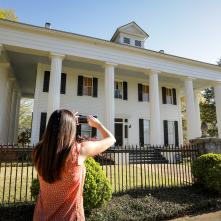
Experience the legacy of Sallie Ellis Davis, a pioneering African American educator whose home stands at the heart of the historic Eddy Neighborhood in Milledgeville, Georgia. The Sallie Ellis Davis House preserves the story of a woman whose dedication to education and community leadership shaped African American history in Baldwin County during the late 19th and early 20th centuries.
Through this historic site, visitors can explore themes of education, resilience, and community care that defined life in Milledgeville during segregation. The house offers an essential window into the Eddy Neighborhood, a historically African American community that played a lasting role in the city’s cultural and educational development, and invites visitors to better understand the people and places that shaped Milledgeville’s African American heritage.
A Life of Inspiration and Leadership
Born in 1877 to Josh Ellis and Elizabeth Brunswick, a white Irishman and an African American woman, Sallie Ellis Davis grew up in Baldwin County after losing her mother at a young age. She attended Eddy High School before continuing her education at Atlanta University (now Clark Atlanta University), where she earned her master’s degree in 1899. While in Atlanta, she studied under influential scholars including W.E.B. Du Bois and George Washington Carver.
After returning to Milledgeville, Sallie married local businessman John (Jack) Davis in 1911, and the couple made their home along Clarke Street. Together they adopted two daughters, Rosa and Louise, who were among Sallie’s students. After her husband’s death in 1920, Sallie remained in the home until her own passing in 1950.
Sallie Ellis Davis’s leadership extended well beyond her household. She was widely respected within Milledgeville’s African American community as an advocate for education and self-determination, believing deeply in the power of learning to open doors despite systemic barriers.
She is buried in Bone Cemetery, established in the 1940s when Milledgeville recognized the need for an African American cemetery.
Education as a Pathway Forward
For nearly five decades, Sallie Ellis Davis devoted her career to educating African American children in a segregated South. She served as a teacher and principal at Eddy High School from 1899 until 1948, shaping the lives of hundreds of students.
Eddy High School, originally established in the 1860s within Flagg Chapel Baptist Church, was the only school available to African American students in Milledgeville at the time. The school officially opened in 1869 and expanded over the years to accommodate students of all ages. After devastating fires in 1925 and again in 1946, the school was rebuilt and reorganized through collective community effort, underscoring the value placed on education despite repeated setbacks.
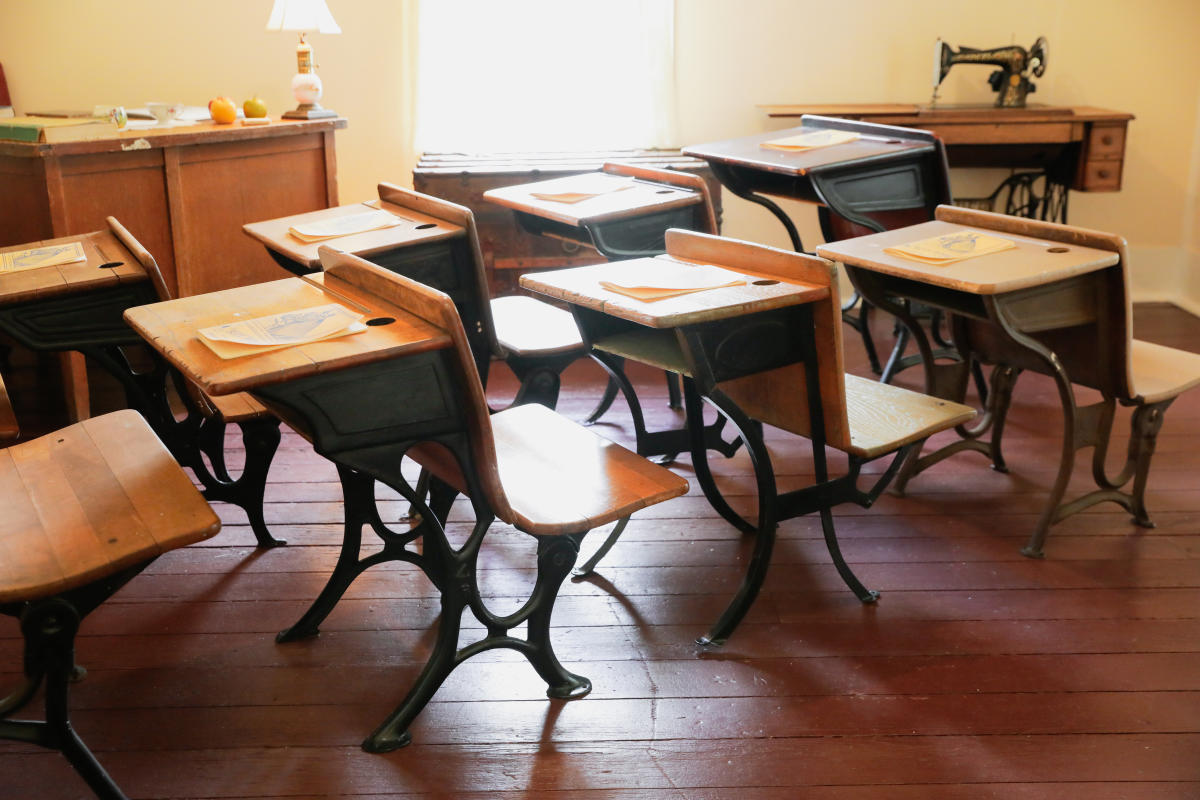
Although the original Eddy School building no longer stands, the Sallie Ellis Davis House preserves this history through a recreated classroom located in what was once her bedroom. The space reflects both her role as an educator and the conditions under which students learned during the early 20th century.
Sallie Ellis Davis encouraged her students to pursue excellence and perseverance, often reminding them to “hitch your wagon to a star,” regardless of the obstacles they faced.
A Home Rooted in Care and Community
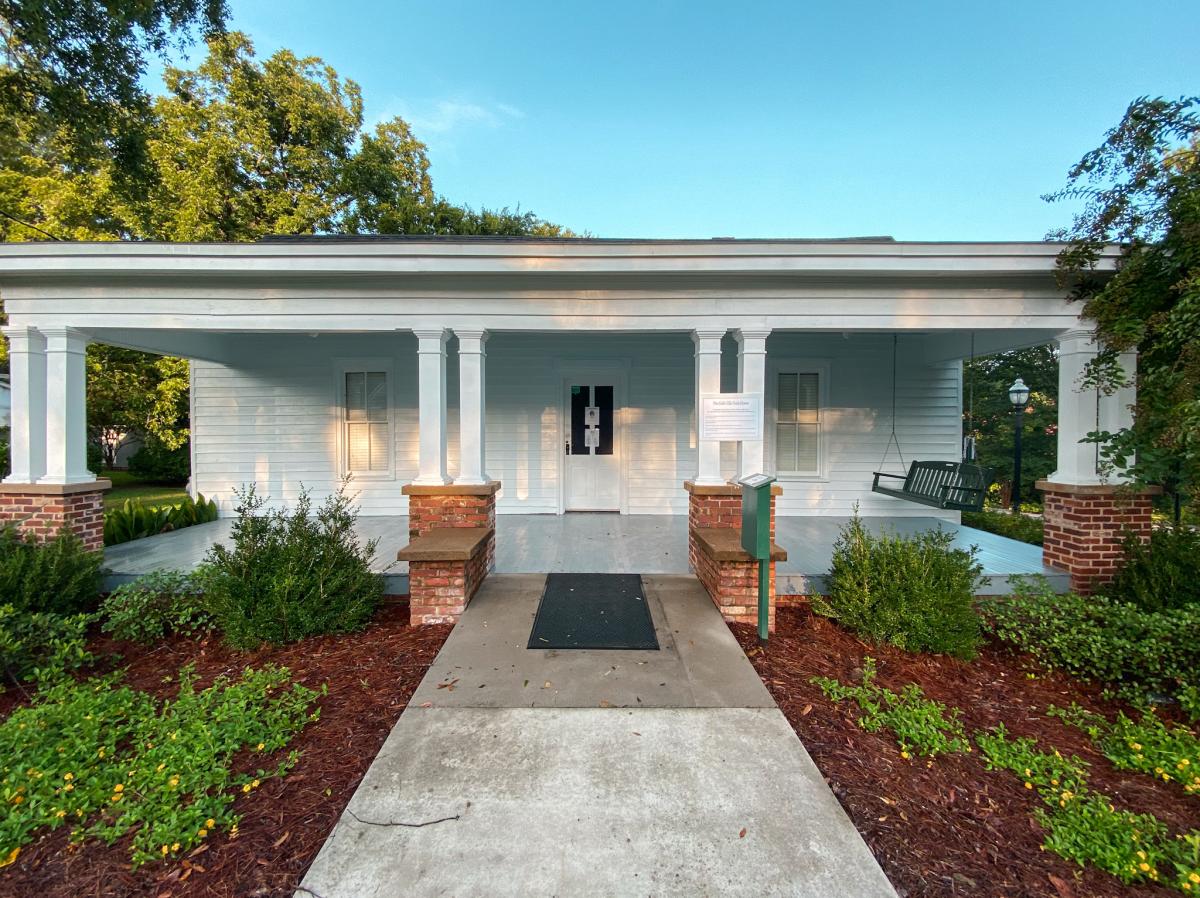
Built around 1890, the Sallie Ellis Davis House served as both a private residence and a place of refuge for students. Census records and personal accounts reveal that Sallie converted part of her home into a boarding house for children who traveled long distances to attend Eddy High School. With no school transportation available to African American students, her home became a vital extension of the classroom.
In addition to providing lodging, Sallie often ensured her students had meals and clothing when families struggled to meet basic needs. Her commitment to education was matched by her care for the whole child, reinforcing the home’s role as a center of learning and support.
After being named to Georgia Trust’s Places in Peril list in 2009, the house was fully restored in 2013 through the efforts of Georgia College and former students dedicated to preserving Sallie Ellis Davis’s legacy. Today, the site includes interpretive spaces, a modern classroom, and a conference room, and it hosts tours and educational programs.
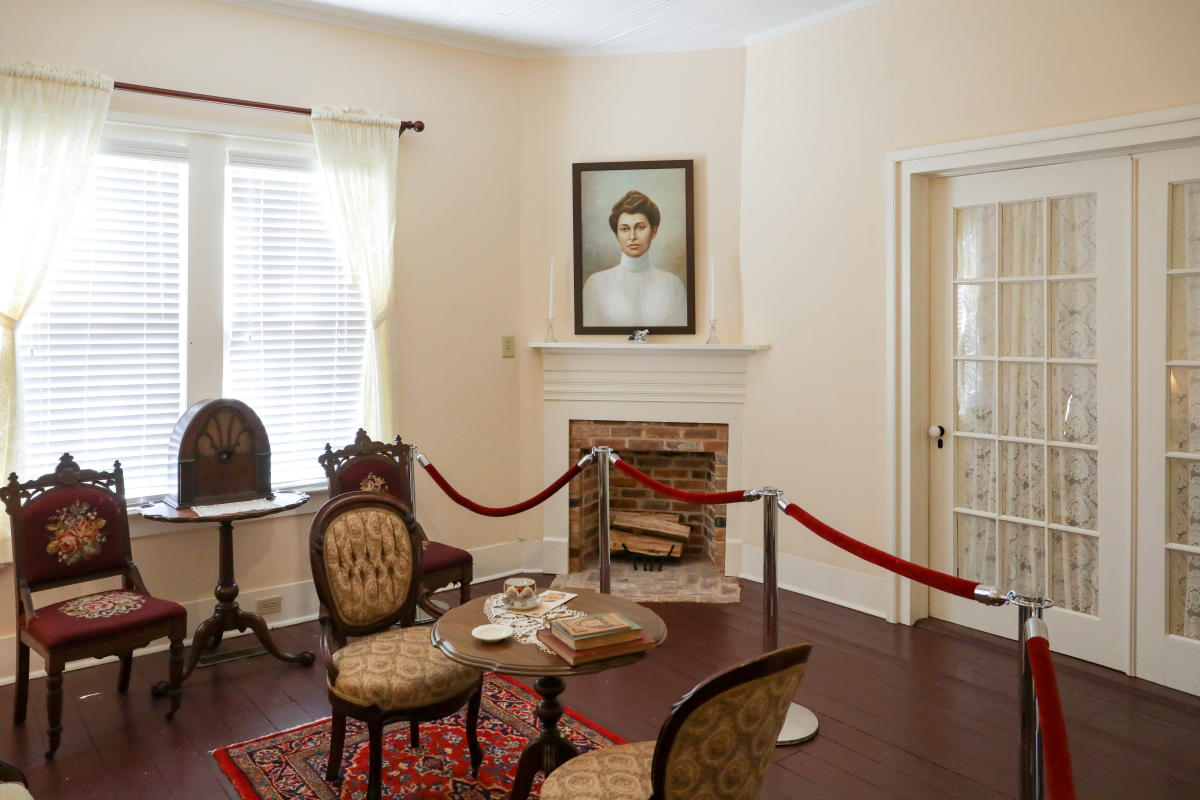
A portrait of Sallie hangs in the parlor, alongside a radio that symbolizes an important gathering place for Sallie, her students, and neighbors. The radio was especially important for keeping Sallie and her neighbors informed about both World Wars and was also how Sallie was able to listen to her favorite boxer, Joe Lewis aka the Brown Bomber.
The Eddy Neighborhood and Lasting Impact
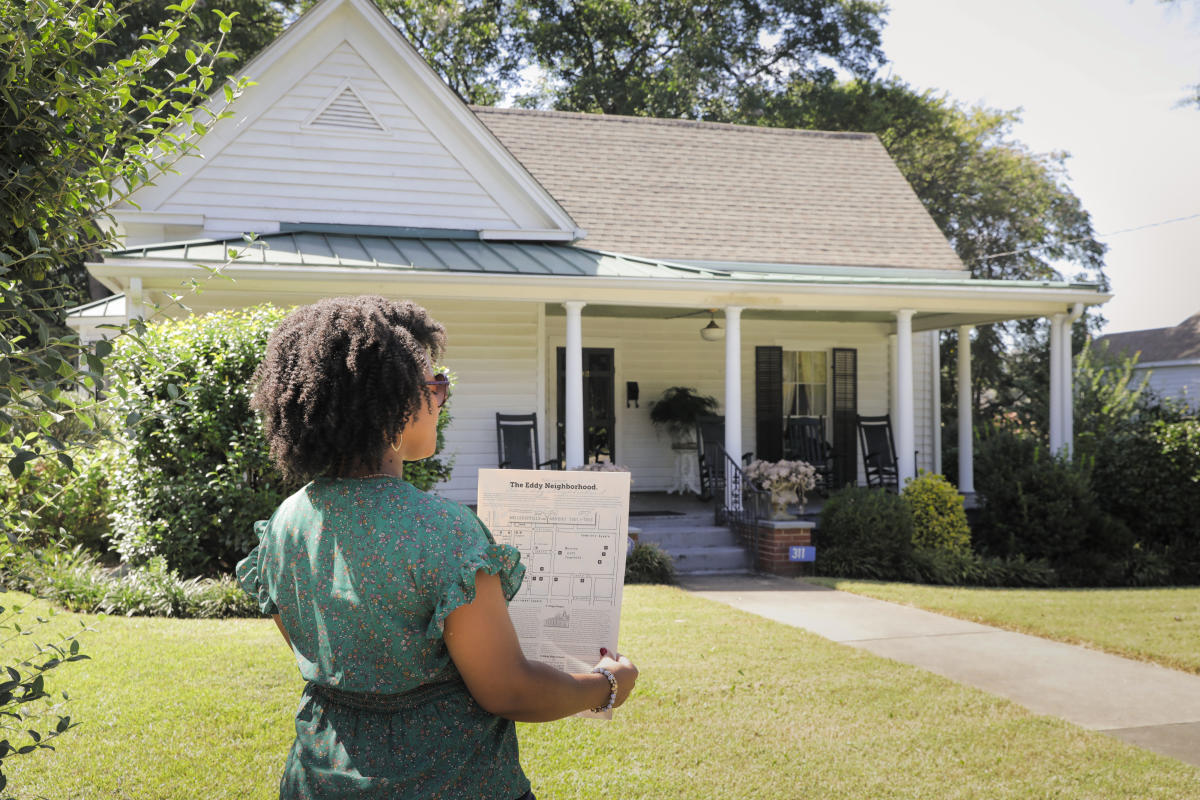
The Sallie Ellis Davis House is located within the Eddy Neighborhood, a historically African American community that played a significant role in shaping Milledgeville’s social, cultural, and educational landscape. Self-guided walking brochures are available outside the Sallie Ellis Davis House and at the Visitor Information Center, offering visitors the opportunity to explore the broader neighborhood and learn more about the people and places that shaped both historic and modern Milledgeville.
Preserving a Meaningful Legacy
The Sallie Ellis Davis House stands as a testament to the enduring power of education, leadership, and community care. Through its preservation, visitors gain a deeper understanding of the challenges faced, and the progress forged, by African American educators and families in Milledgeville. By interpreting Sallie Ellis Davis’s life and work within her own home, the site invites reflection on the lasting influence of teachers and community leaders whose impact continues to shape the city today.
Tours of the Sallie Ellis Davis House are offered on Wednesdays and Fridays from 10:00 a.m. to 4:00 p.m. Tours are also available on Saturdays during the first and third weekends of each month from 10:00 a.m. to 4:00 p.m., and on Sundays during the first and third weekends of the month from 2:00 p.m. to 4:00 p.m. Tours begin at the top of each hour, with the final tour starting at 4:00 p.m. To schedule a tour, please call their office at 478-445-5889. The house is ADA compliant. Admission is $3 for adults; $2 for seniors, pre-booked groups and students; and Georgia College faculty, staff, students and children under 6 are free.